
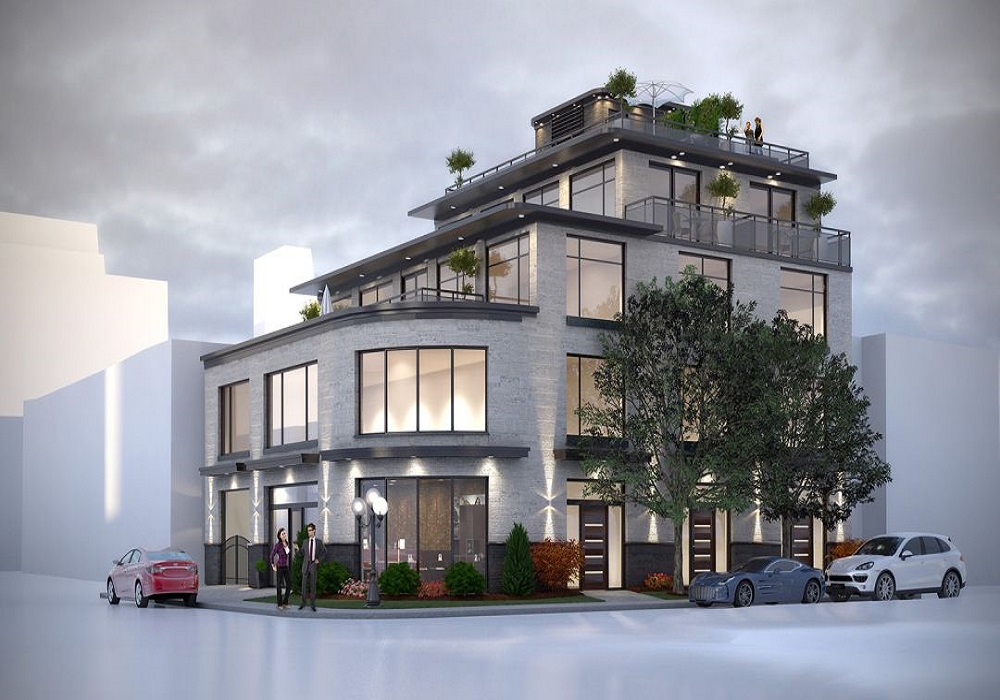
Find out how 3D rendering for interior design helps businesses save time, reduce costs and visualize spaces before construction.
3D Rendering for Interior Design
Interior design projects can be exciting, but they can also become stressful when the final result is unclear. Many businesses start a renovation or new build with only sketches, references or basic plans. Later, they realize the design does not look the way they expected.
This is where 3D rendering becomes extremely helpful.
3D rendering allows businesses to see a realistic version of their space before any major work begins. It gives a clear picture of the design, layout, materials and lighting, helping teams make better decisions from the start.
What Is 3D Rendering in Interior Design?
3D rendering is the process of creating realistic digital images of an interior space. These images show how the final design will look after completion.
A 3D render can include furniture, flooring, wall finishes, lighting, decor, branding elements and layout details. It gives a visual preview that feels close to the real finished space.
For interior design projects, this makes planning much easier.
It Saves Time During the Design Process
Without 3D rendering, design discussions can take longer. Clients may struggle to understand the concept. Designers may need to explain the same idea many times. Contractors may interpret details differently.
A realistic 3D visual solves this problem.
Everyone can look at the same image and understand the design clearly. This speeds up approvals, reduces confusion and keeps the project moving forward.
When the direction is clear early, the entire process becomes faster and smoother.
It Helps Avoid Expensive Changes
Design changes after construction begins can cost a lot.
If the selected tiles do not look right, if the furniture placement feels wrong or if the lighting does not match the mood, fixing these problems later can be expensive.
3D rendering helps avoid these mistakes before they happen.
You can test different layouts, materials and colors digitally first. Once the design is approved, the execution becomes more accurate and less risky.
It Improves Material and Color Selection
Choosing materials from samples can be difficult. A small sample of wood, marble, paint or fabric may look different when applied to a full space.
3D rendering helps you see how these materials work together in the complete design.
You can compare different flooring options, wall colors, furniture styles and lighting effects before making final purchases. This gives you more control over the final look.
It Supports Better Business Decisions
For businesses, interior design is an investment. A well designed space can improve customer trust, employee comfort and brand image.
3D rendering helps business owners make better decisions about that investment.
Instead of guessing, they can review the design clearly. They can see whether the space feels premium, practical and aligned with their brand. This makes the investment safer and more strategic.
It Makes Marketing Easier
Another benefit of 3D rendering is that it can be used for marketing before the space is complete.
For example, a restaurant can show its upcoming interior on social media. A showroom can present its design to investors. A real estate or commercial project can use renders in brochures, websites and ads.
This helps build interest before launch.
Final Thoughts
3D rendering is one of the smartest tools in modern interior design. It saves time, reduces costly mistakes and gives businesses a clear vision before execution.
For commercial projects, it also helps create spaces that look professional, support the brand and improve the customer experience.
At Ezec Production, we create high quality 3D interior visuals that help businesses plan better and present their spaces with confidence.